Ask yourself one thing before your next ultra-low purchase: is the logger you're about to…
How to Choose the Correct Temperature Data Logger?

There are many products that are manufactured in the industries. It is necessary to know the temperature of a product and to what extent the temperature is exposed to a product. From medical equipment, and heating food before the process of canning to sterilized surgical equipment, one should know the precise temperature and duration. In such a case, a device is used to measure the conditions of a product that is exposed to environmental conditions. The use of a temperature data logger comes in use in measuring the accurate temperature of a product. This article aims to let you know about some vital ways to choose the right temperature data logging device.
About Temperature Data Logging Device
A temperature data logging device is an electronic device that has the capacity to save a wide number of measurements. The temperature data logging device is operated on a battery. The device is used to modify temperature sensors. Once the acquisition period of a temperature data logging device is over, then the data in the device is transferred to a personal computer which is used for further examination. The temperature data logging device can be used to monitor the temperature of various products. Before you opt for a temperature data logging device, you should know the ways to select the device.
Key Considerations Before Buying a Temperature Data Logger
Below mentioned are some of the vital steps to make you confident about getting your hands on the correct temperature data logging device.
- Know the Environmental Parameters
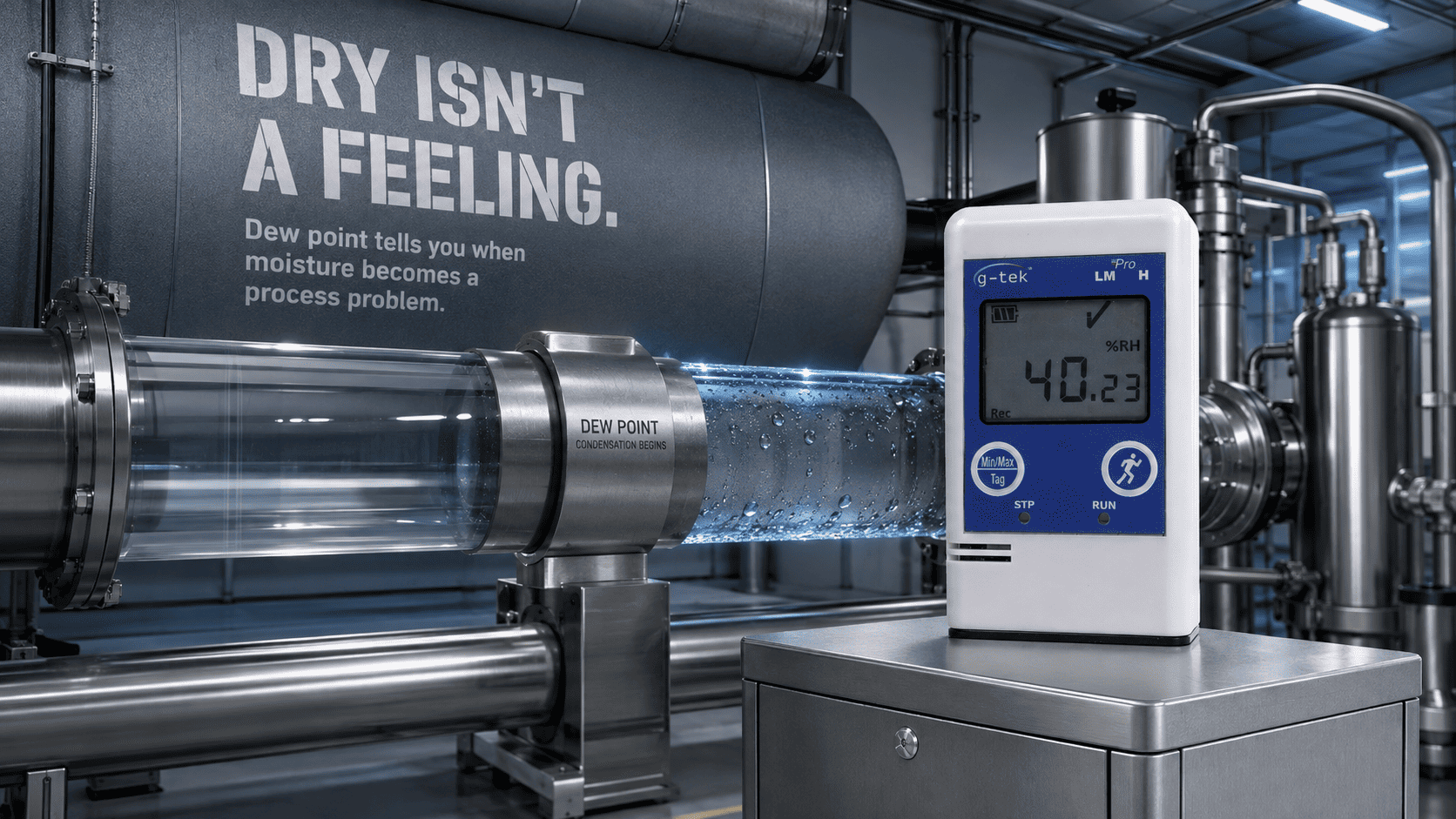
- Decide whether you need to measure temperature only or temperature + humidity (RH).
- Dual-channel loggers track both simultaneously, ideal for pharma and food storage.
- Decide the Measurement Range
- Different loggers have different ranges.
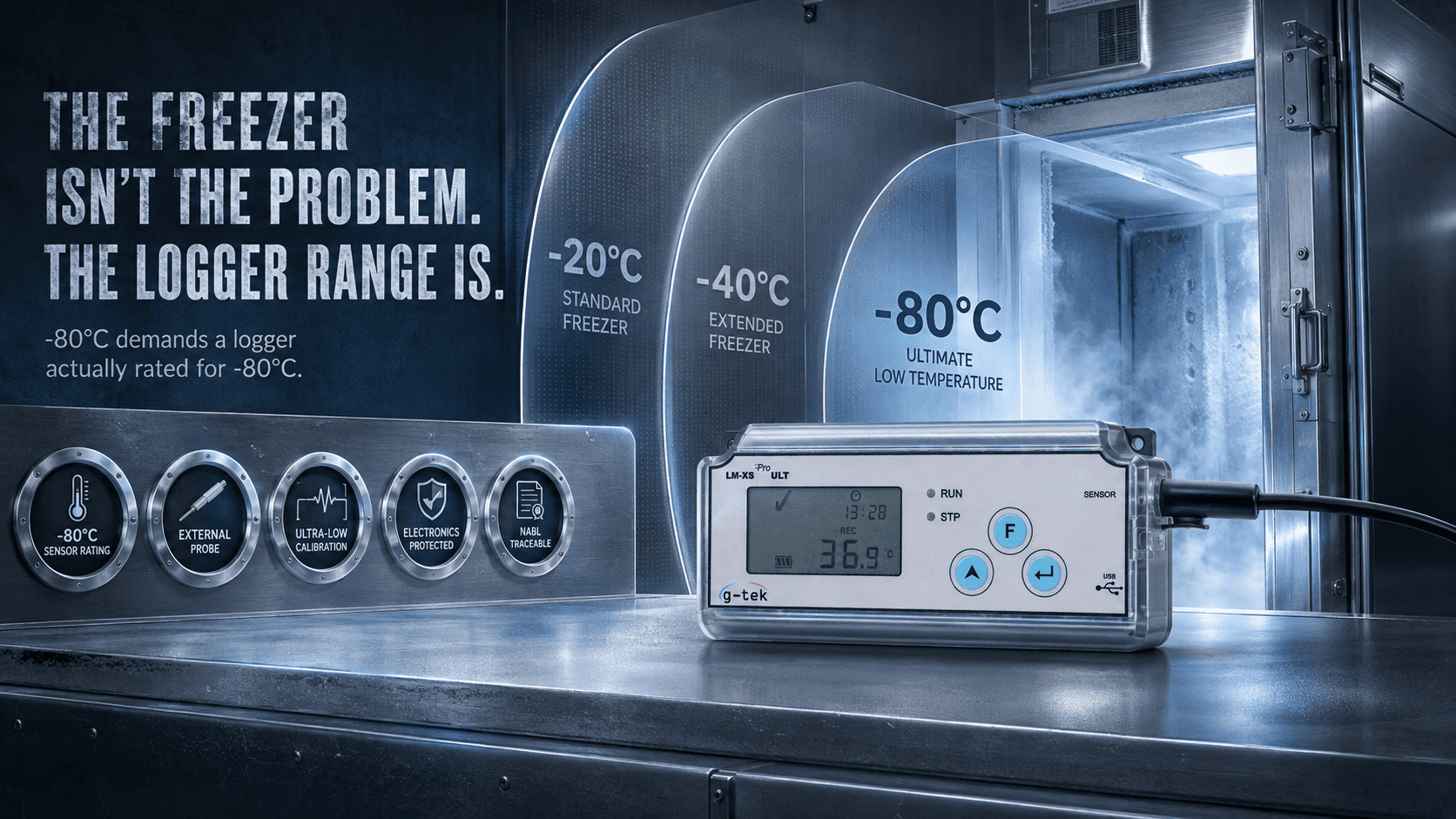
- Ensure the logger covers the temperature extremes of your application (e.g., cold chain vs. sterilization).
- Pick the Appropriate Unit Type
- Waterproof loggers: For outdoor or liquid environments.
- Dust-proof/vigorous loggers: For industrial or rugged use.
- Choose based on the conditions of your facility.
- Get A Data Logger with A Probe
- Probes measure high and low temperatures more accurately.
- Cost-effective for applications requiring precise monitoring (e.g., ovens, sterilizers).
The fundamental use of a data logger with a probe is to measure the high and low temperatures of an application. Using a data logger with a probe will turn out to be cost-effective.
Following the tips mentioned above will certainly help you in choosing the right temperature data logger.
Logger Types
| Feature | Basic Logger | Dual-Channel Logger | Probe-Based Logger |
|---|---|---|---|
| Parameters Measured | Temperature only | Temperature + Humidity | High/low temperature |
| Range | Limited | Wider, flexible | Extended with probe |
| Durability | Standard | Dust/water resistant | Rugged, industrial use |
| Cost | Low | Moderate | Cost-effective for precision |
| Best Use Case | Simple storage | Pharma/food warehouses | Ovens, sterilizers, curing |
FAQ
What is a temperature data logger?
It is a battery-operated electronic device that records temperature (and sometimes humidity) over time, storing thousands of measurements for later analysis.
How do I choose the right logger?
Identify your environmental parameters, measurement range, unit type, and whether you need a probe for high/low temperature monitoring.
Why are dual-channel loggers useful?
They measure both temperature and humidity (RH) simultaneously, ensuring compliance in pharma and food industries.
What are probe-based loggers used for?
They provide precise readings of extreme temperatures, making them ideal for ovens, sterilizers, and curing processes.
Can data be analyzed easily?
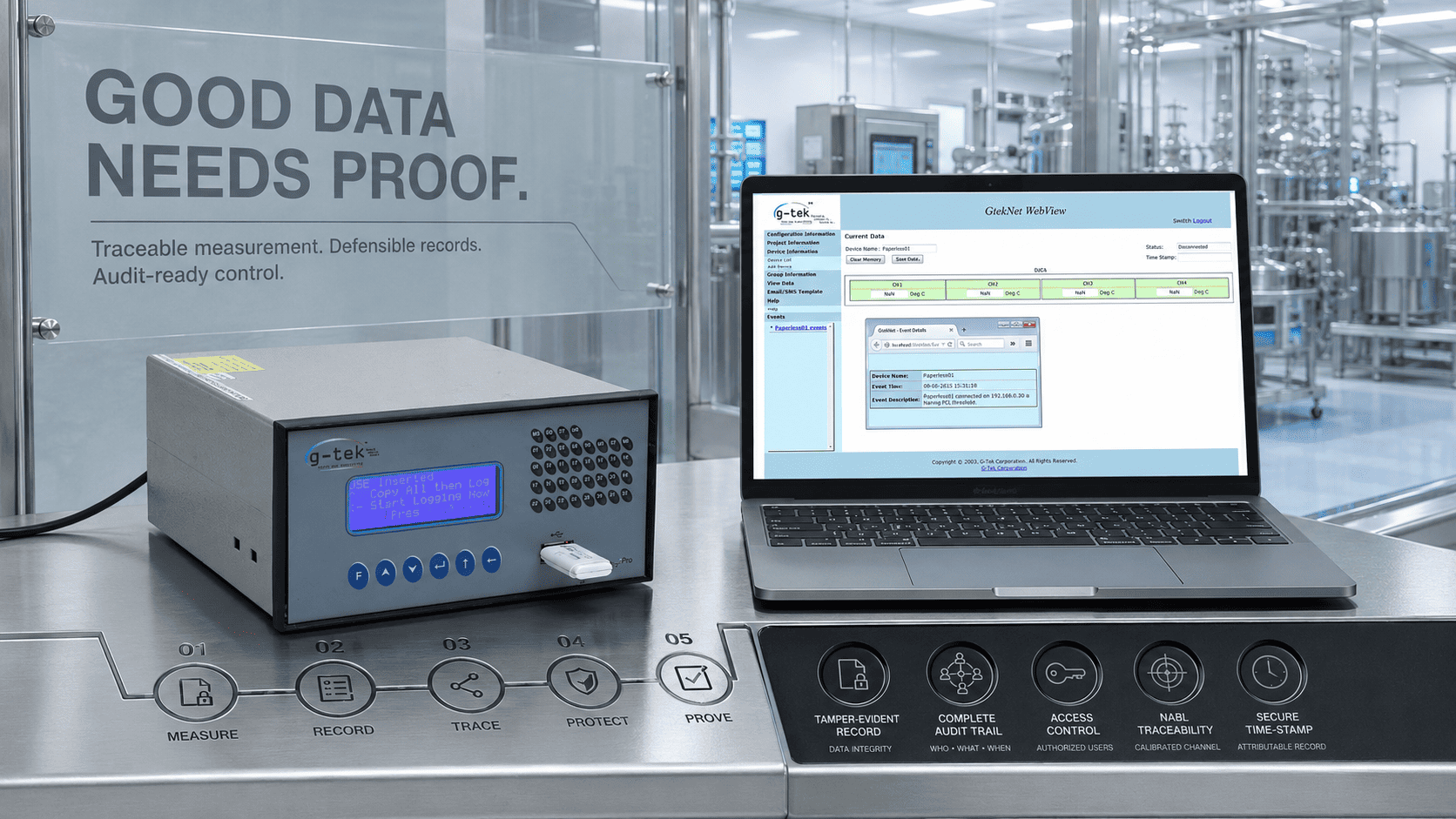
Yes, loggers transfer data to a PC for graphical and tabular analysis, exportable to Excel or CSV for audits.
Related Posts