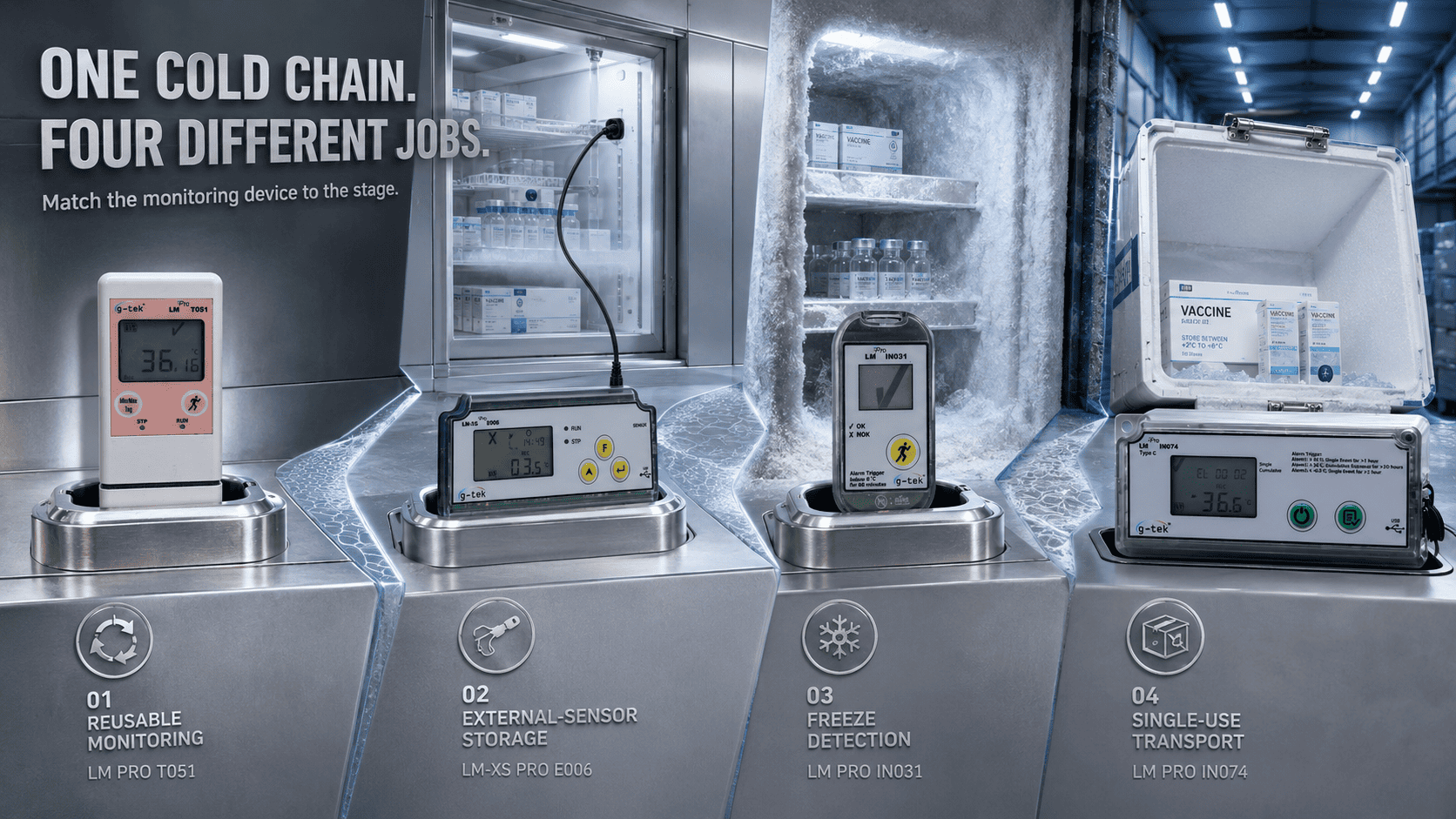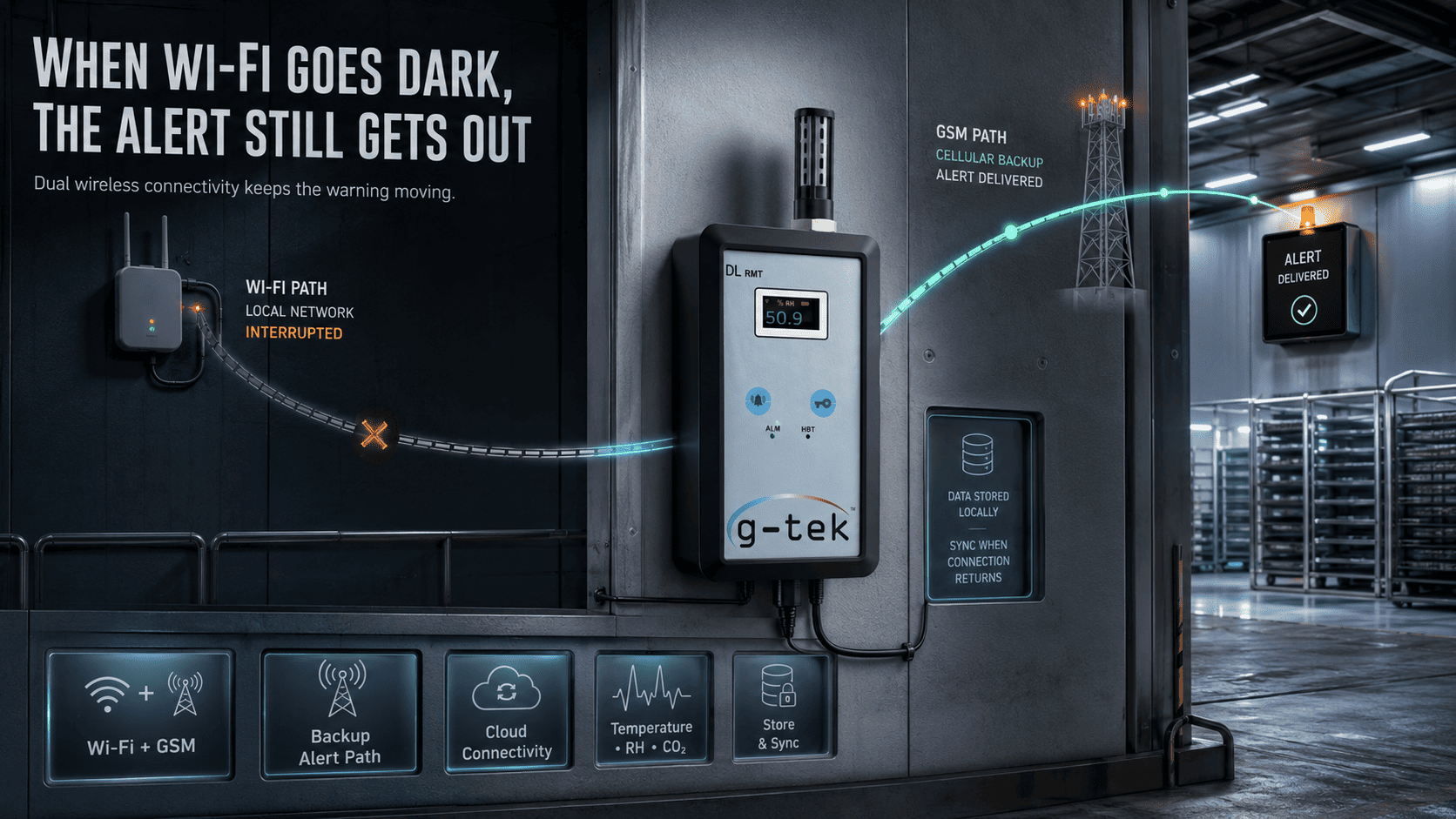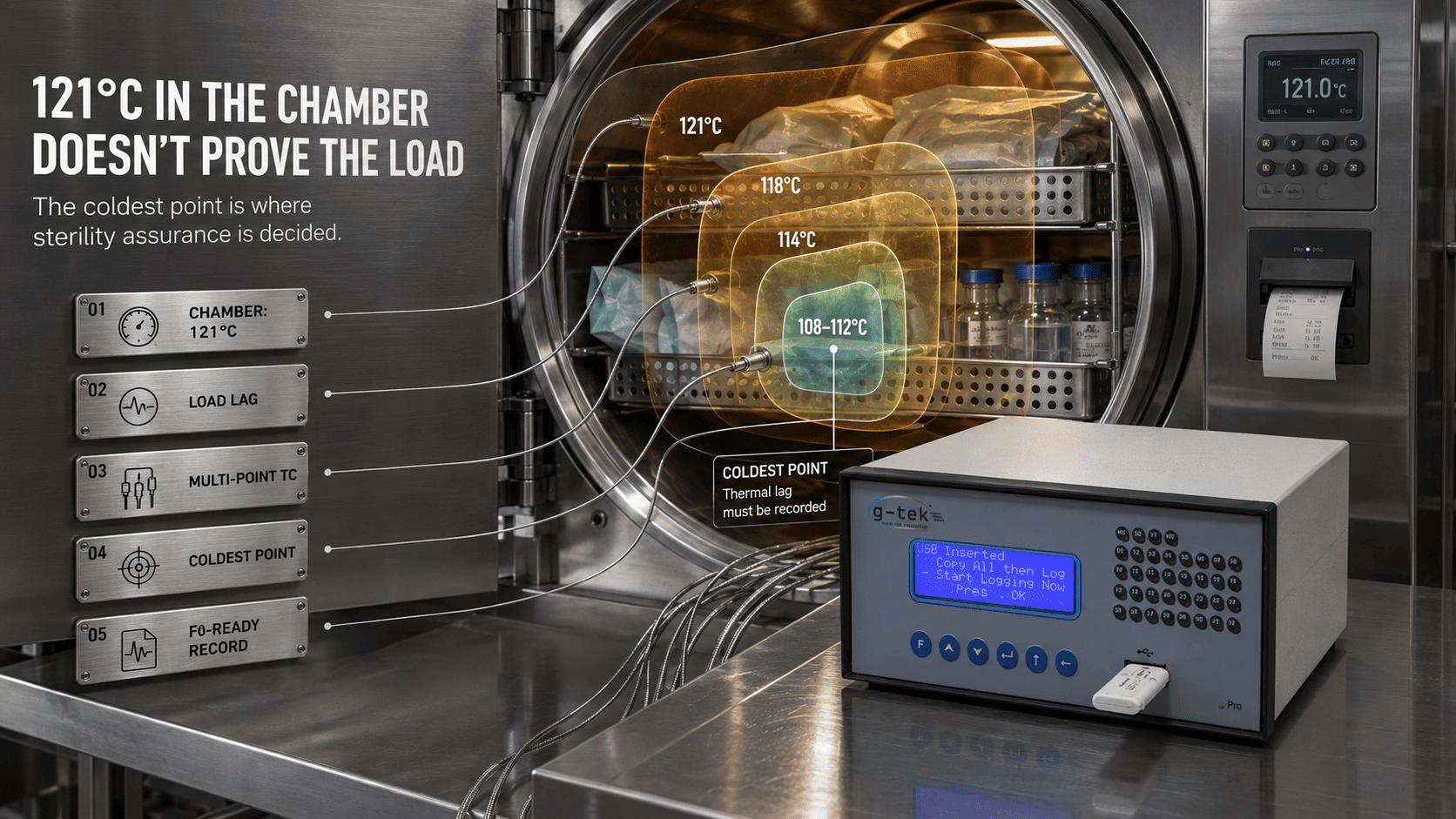
She spread every monitoring device from her vaccine programme across one desk. Storage fridge. Shipping…
Freeze Indicator for Vaccines: How It Detects Invisible Freeze Damage Before Use
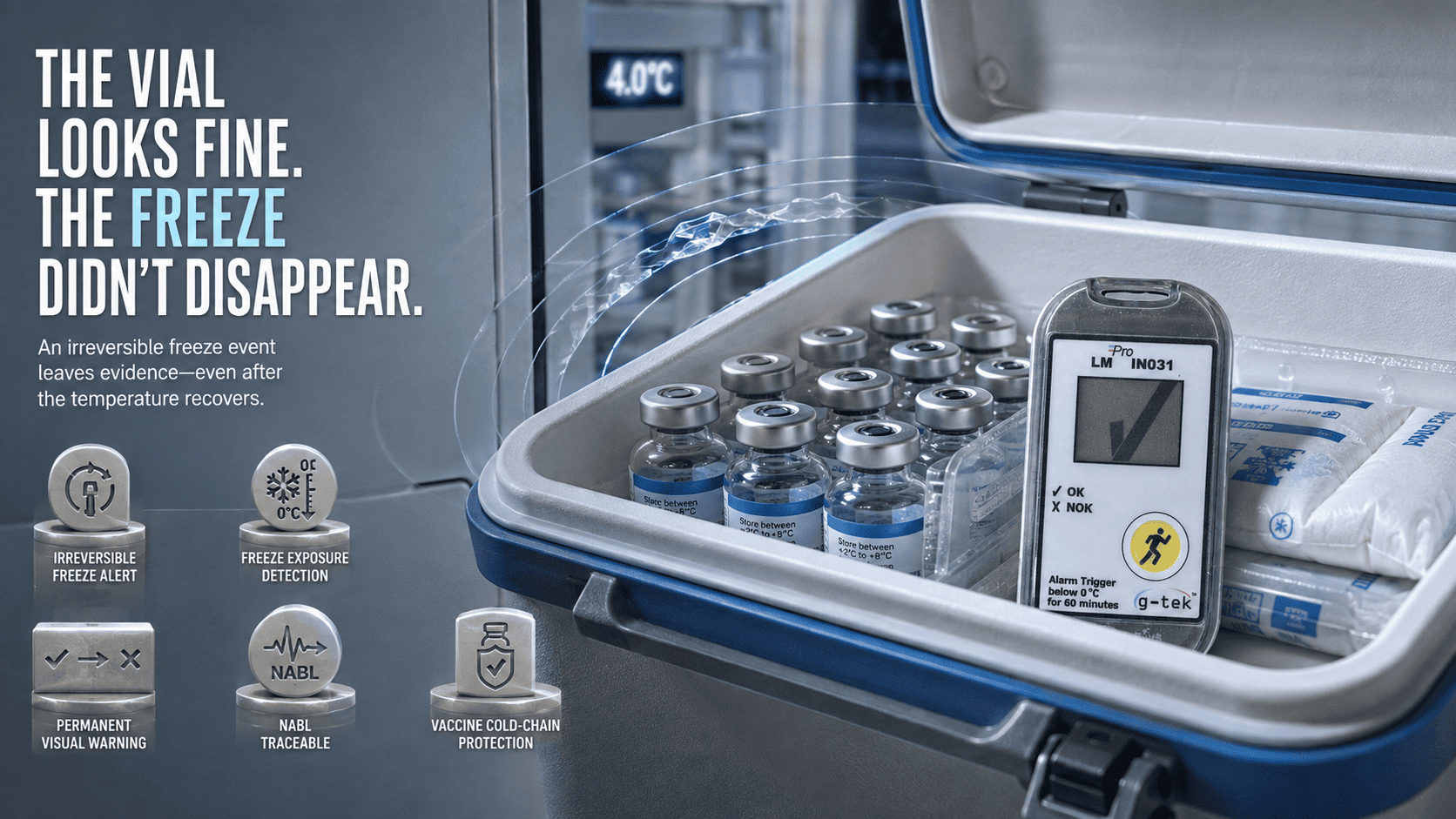
A health worker lifts a vial from the cold box. It reads 4°C. It’s clear. It looks completely normal.
What she can’t see is what happened last night a fridge that dipped too cold, or a vial pressed against a frozen ice pack. For a short while, this vaccine froze. And freezing may have permanently damaged its potency.
Nothing about the vial shows it. The vaccine could still be administered without anyone realizing what happened.
Only one small device in that box would have caught it.
A freeze indicator for vaccines reveals a danger a current temperature reading cannot: whether a freeze-sensitive vaccine was exposed to freezing. Because freeze damage can be invisible and irreversible, and a current reading shows only the present moment, a freeze indicator provides a permanent, one-way alert that freezing occurred.
🎯 Key Takeaways
- Many vaccines can be permanently damaged by freezing, even after brief exposure.
- Freeze damage may be invisible: a frozen-then-thawed vial can look completely normal.
- A current temperature reading can’t reveal a freezing event that happened earlier.
- A freeze indicator provides an irreversible, one-way alert that freezing occurred.
- It needs no software or PC the alert is visual, permanent, and readable on the spot.
What Is a Freeze Indicator for Vaccines and What Does It Detect?
A freeze indicator is a device that permanently and irreversibly changes state when temperature drops below a specified freezing threshold. It gives a lasting visual alert that a freeze-sensitive product was exposed to freezing, even after it has returned to a normal temperature.
Unlike a data logger that records values over time, a freeze indicator has one main job: flag whether a freezing event occurred.
Once triggered, it cannot reset. The alert remains visible long after the product returns to its normal temperature. That is exactly what makes it useful for freeze-sensitive vaccines.
If you also need continuous temperature history alongside it, that’s where G-Tek’s broader range of vaccine cold-chain loggers comes in.
Why Is Freezing So Dangerous for Vaccines and So Hard to Catch?
Freezing can be dangerous because it may permanently reduce the potency of freeze-sensitive vaccines. It is also difficult to detect because a frozen-then-thawed vial can look completely normal and may show the correct temperature afterward.
Freeze-sensitive vaccines can lose efficacy from even a brief exposure below their specified temperature limits. The vial may give no visible sign.
By the time someone checks it, the vaccine may already be back at the correct temperature. Without a device that “remembers” the freeze, the exposure can go undetected — a risk addressed in WHO cold-chain guidance.
For freeze-sensitive vaccines, preventing exposure to temperatures that are too low is just as important as protecting them from excessive heat.
G-Tek’s LM Pro IN031: The Freeze Indicator That Remembers
G-Tek’s LM Pro IN031 provides an irreversible freeze alert that changes state permanently when freezing occurs, with a clear visual warning and no software or PC needed.
That permanent, unmistakable signal is exactly what G-Tek Corporation, an Indian manufacturer of monitoring instruments in Vadodara for over 30 years, built the IN031 to provide.
It is a WHO-PQS-qualified (E006/IN03.1) irreversible freeze indicator, available in Type A, B, and C for different freezing thresholds, with an accuracy of ±0.5°C at 0°C and an operating life of up to 3.5 years.
A clear “✔“ shows the monitored condition remained within the specified limit, while an “X” indicates that the alarm threshold was breached.
Every unit ships with an NABL ISO/IEC 17025-traceable calibration certificate, with traceability supported through G-Tek’s in-house calibration laboratory.
It’s a small, decisive device that turns an invisible danger into a warning anyone in the cold chain can read at a glance.
Catch the Freeze Damage You Can’t See
If your cold chain carries freeze-sensitive vaccines, a current temperature reading alone may not reveal a freezing event that already happened.
A freeze indicator for vaccines turns that invisible and potentially irreversible risk into a permanent visual warning that can be checked directly at the point of use.
👉 Handling freeze-sensitive vaccines? Share which products and cold-chain points you need to protect with the G-Tek team and get a clear recommendation on the right freeze indicator for your application.
Frequently Asked Questions
What is a freeze indicator for vaccines?
A freeze indicator is a device that permanently changes state when temperature falls below a specified freezing threshold. It provides a lasting visual alert even after the vaccine returns to its normal storage temperature.
Why can't a temperature logger replace it?
A logger records temperature over time, while a freeze indicator provides an immediate, irreversible one-way alert. For checking whether a freeze-sensitive vaccine was exposed to freezing, that permanent visual flag can be valuable.
Why is freezing harmful to vaccines?
Many freeze-sensitive vaccines may lose potency if frozen, even briefly. The damage can be invisible, so a frozen-then-thawed vial may still look normal.
Which G-Tek product is a freeze indicator?
The LM Pro IN031 is a WHO-PQS-qualified irreversible freeze indicator for vaccines, available in Types A, B, and C. It changes state permanently when its specified threshold is breached, needs no software, and is NABL-traceable.
Where is G-Tek located?
G-Tek Corporation is based in Vadodara, Gujarat, and has been manufacturing monitoring instruments for over 30 years, with an in-house NABL ISO/IEC 17025-accredited calibration laboratory.
Related Posts