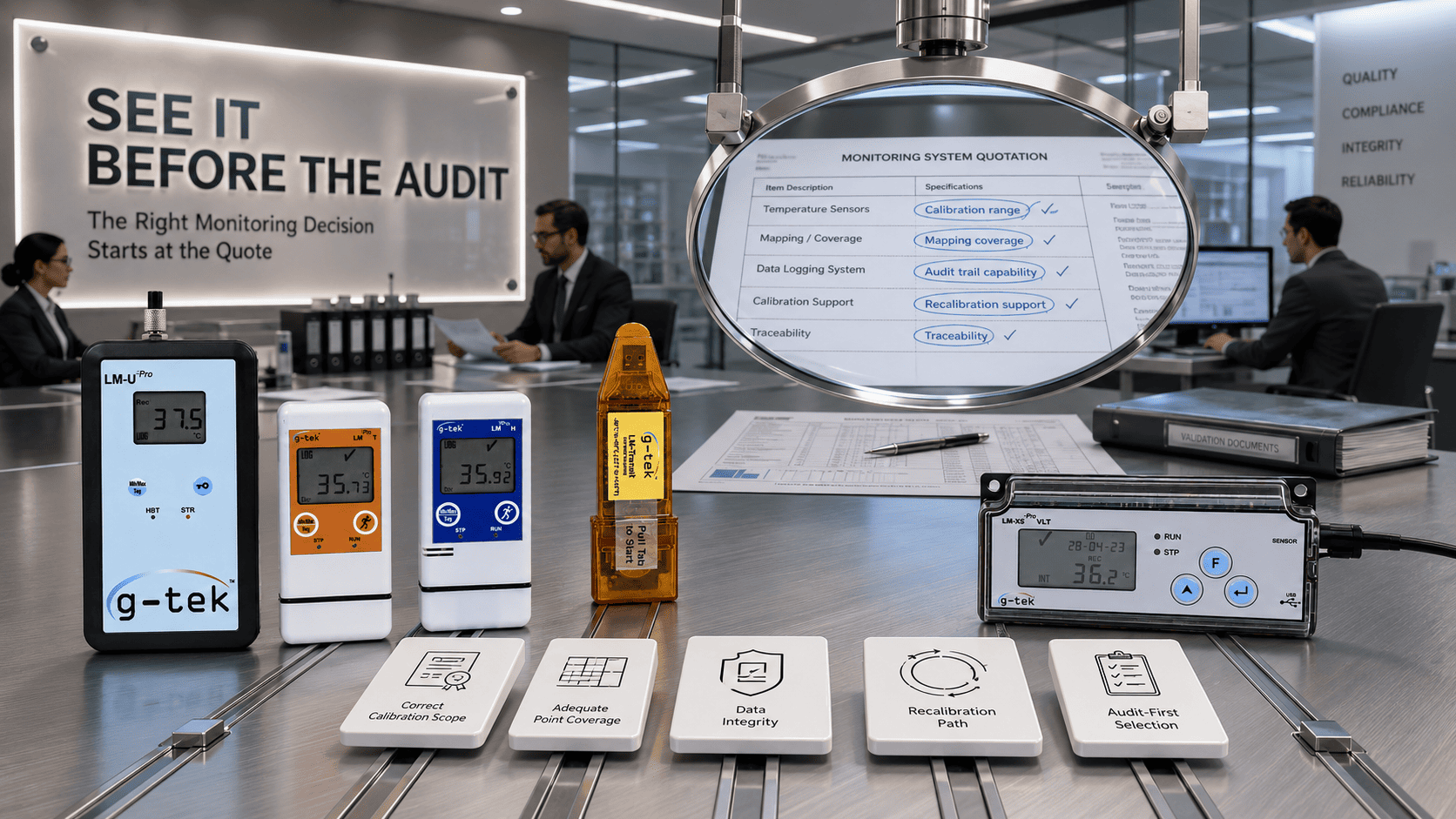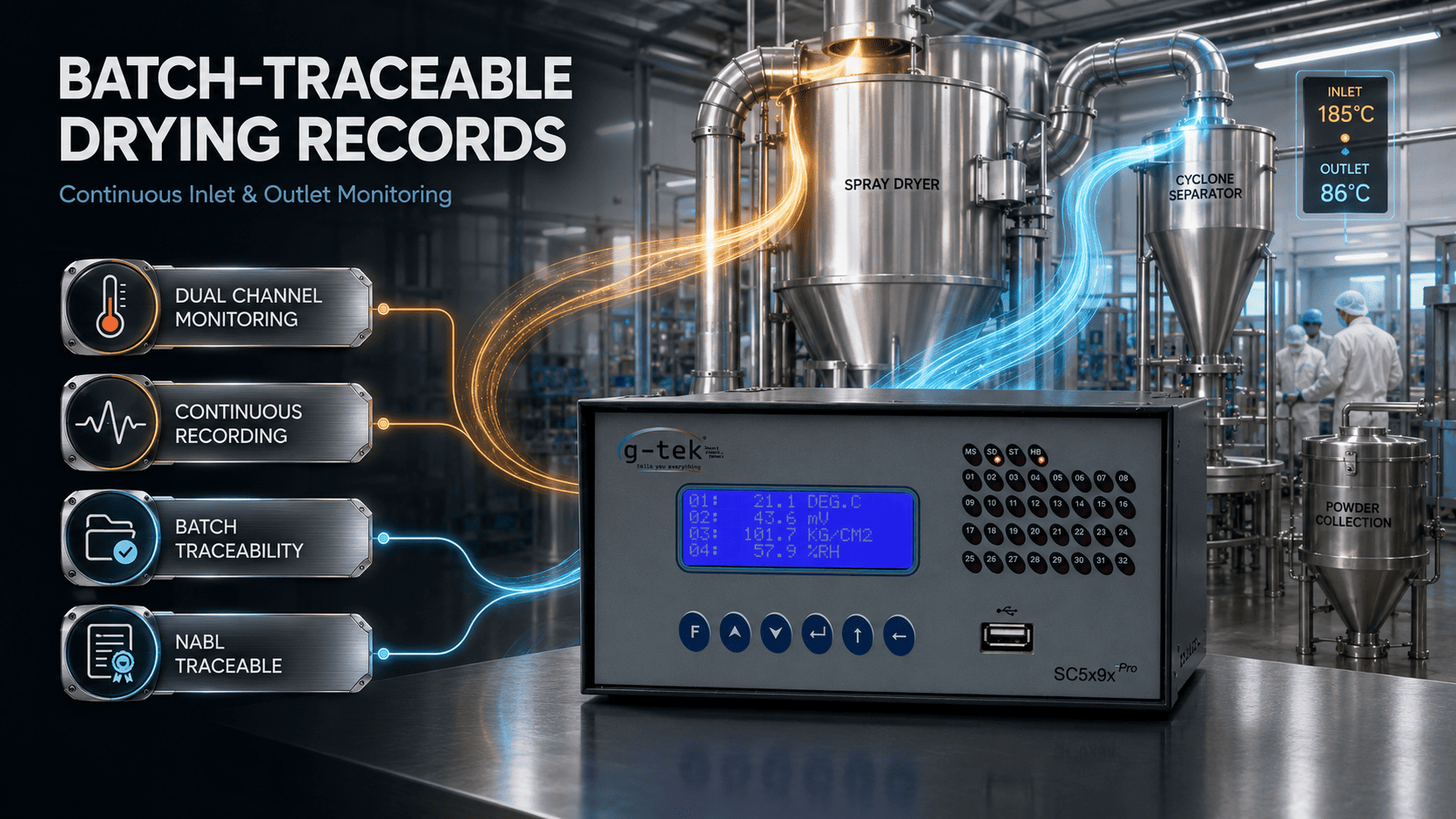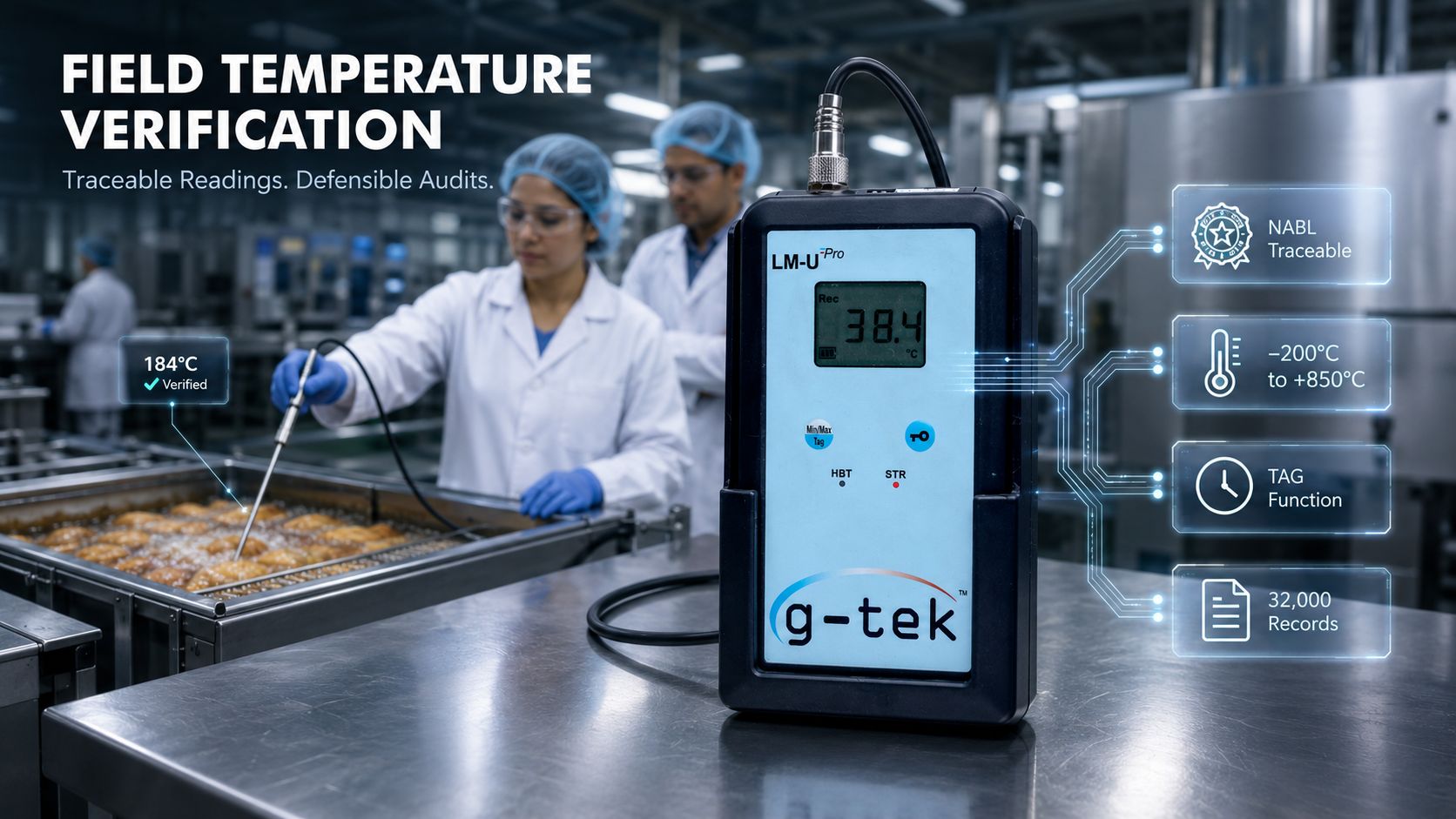
The QA manager stood beside the auditor. Eight months of green lights. Clean data. Zero…
Cleanroom AHU Monitoring: Why Pressure Cascade Matters
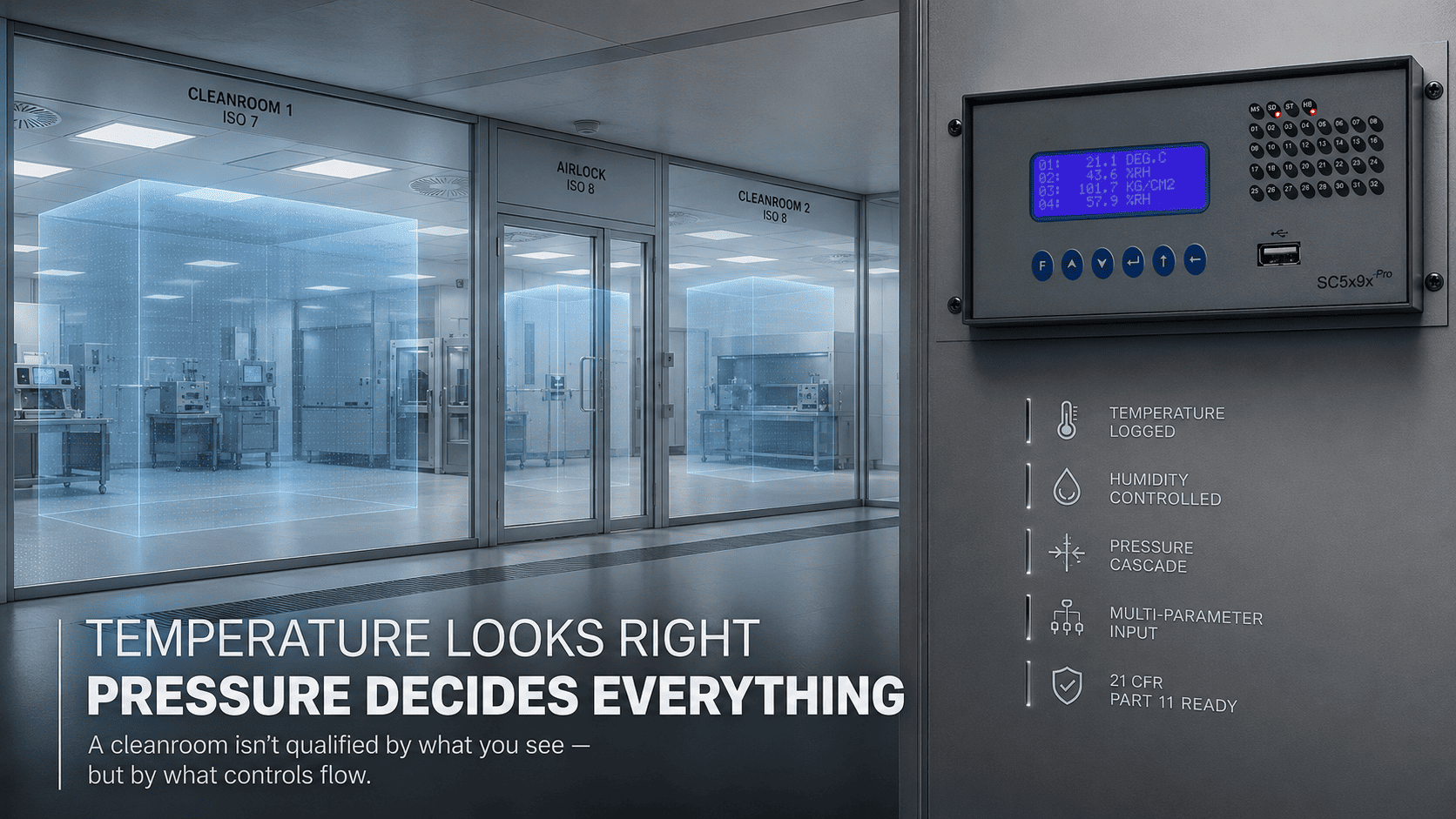
A validation engineer walks a pharma auditor through a freshly qualified cleanroom. Temperature? Documented. Flawless. Then the auditor stops at the airlock between two rooms and asks for the continuous record of the differential pressure the cascade that stops contamination from flowing the wrong way.
There isn’t one.
The AHU held temperature beautifully. But the parameters that actually protect the product were never being recorded.
Effective cleanroom AHU monitoring is about more than temperature. Humidity and the differential-pressure cascade between rooms help protect the product, and GMP expects critical parameters to be recorded continuously. An AHU that only proves temperature has proven the easy part.
🎯 Key Takeaways
- A cleanroom’s environment includes temperature, humidity, and differential pressure, not temperature alone.
- The pressure cascade between rooms helps keep contamination from flowing the wrong way.
- GMP cleanroom qualification expects critical parameters to be recorded continuously.
- Recording only temperature leaves important environmental parameters undocumented.
- OEMs who build in multi-parameter recording ship AHU systems their clients can qualify more effectively.
What Does Cleanroom AHU Monitoring Need Beyond Temperature?
A cleanroom needs temperature, relative humidity, and differential pressure recorded because together they control product stability and contamination flow. GMP qualification checks all three, not temperature alone.
Temperature affects the product and the people in the room. Humidity influences product stability, static, and microbial growth. Differential pressure maintains the cascade, with cleaner rooms kept positive to adjacent areas so air moves in the intended direction.
Under EU GMP Annex 1, that cascade typically uses a 10–15 Pa guidance value between adjacent grades. Miss any one parameter, and the record may be incomplete where it matters most. The ISO 14644 family and revised Schedule M reinforce the importance of controlled cleanroom conditions.
Why Is Differential Pressure Often Under-Recorded?
Differential pressure is often under-recorded because a live gauge is easy to show, but proving the cascade held over time is harder. Yet that continuous trend is exactly what an auditor may check.
A magnehelic gauge shows the current reading. GMP needs evidence that the cascade held across the full shift and batch, room to room, through continuous monitoring.
A momentary reading is not a continuous record.
The gap is rarely the hardware. Instead, humidity and pressure are sometimes treated as secondary parameters while temperature gets most of the attention. That’s the gap that can become an audit observation.
What Records Temperature, Humidity and Pressure Together?
One system can. The SC5x/SC9x Universal Scanner logs temperature, humidity, and differential-pressure inputs together, continuously, into a single traceable report on gtekNet™.
Manufacturing monitoring and recording instruments in Vadodara for over 30 years, G-Tek Corporation builds the Universal Scanner to accept thermocouples, RTDs, and process signals (4–20 mA / 0–1 V). This allows RH and pressure transmitters to feed the same system as your temperature sensors.
Every channel is traceable to G-Tek’s own NABL ISO/IEC 17025-accredited calibration laboratory, and the record is designed to support 21 CFR Part 11 requirements.
See how the Universal Scanner handles multi-parameter inputs, or how each channel ties back to G-Tek calibration.
For an AHU integrator, it turns a system that proves temperature into one that can document the whole environment.
For continuous chart-style documentation alongside it, the Paperless Recorder fits the same setup.
The Parameters That Decide Whether the Room Qualifies
If your AHU and cleanroom systems are being specified by pharma plants facing GMP qualification, recording temperature alone may not provide the complete environmental record.
Effective cleanroom AHU monitoring that documents temperature, humidity, and the pressure cascade together provides a more complete picture of the controlled environment.
👉 Integrating your next cleanroom AHU? Walk the G-Tek team through the rooms and parameters you need to monitor and get a clear recommendation on recording temperature, humidity, and pressure together from the start.
Frequently Asked Questions
What parameters must a pharma cleanroom record?
Temperature, relative humidity, and differential pressure work together to control product stability and contamination flow. These critical parameters should be monitored according to applicable GMP requirements.
Why is differential pressure important in a cleanroom?
It maintains the pressure cascade between rooms, helping keep cleaner areas at a higher pressure than adjacent areas so contamination does not flow in the wrong direction.
Isn't a live pressure gauge enough?
A gauge shows the current reading. Continuous cleanroom AHU monitoring provides a record showing how the pressure cascade performed over time.
Which G-Tek product records all three together?
The SC5x/SC9x Universal Scanner records temperature, humidity, and differential-pressure inputs together on gtekNet™ into one traceable, NABL-calibrated report.
Where is G-Tek Corporation located?
G-Tek Corporation is located in Vadodara, Gujarat, and has been manufacturing monitoring and recording instruments for over 30 years. It also operates an in-house NABL ISO/IEC 17025-accredited calibration laboratory.
Related Posts